

Understanding Water Rights and Well Use on Rural Properties in Italy
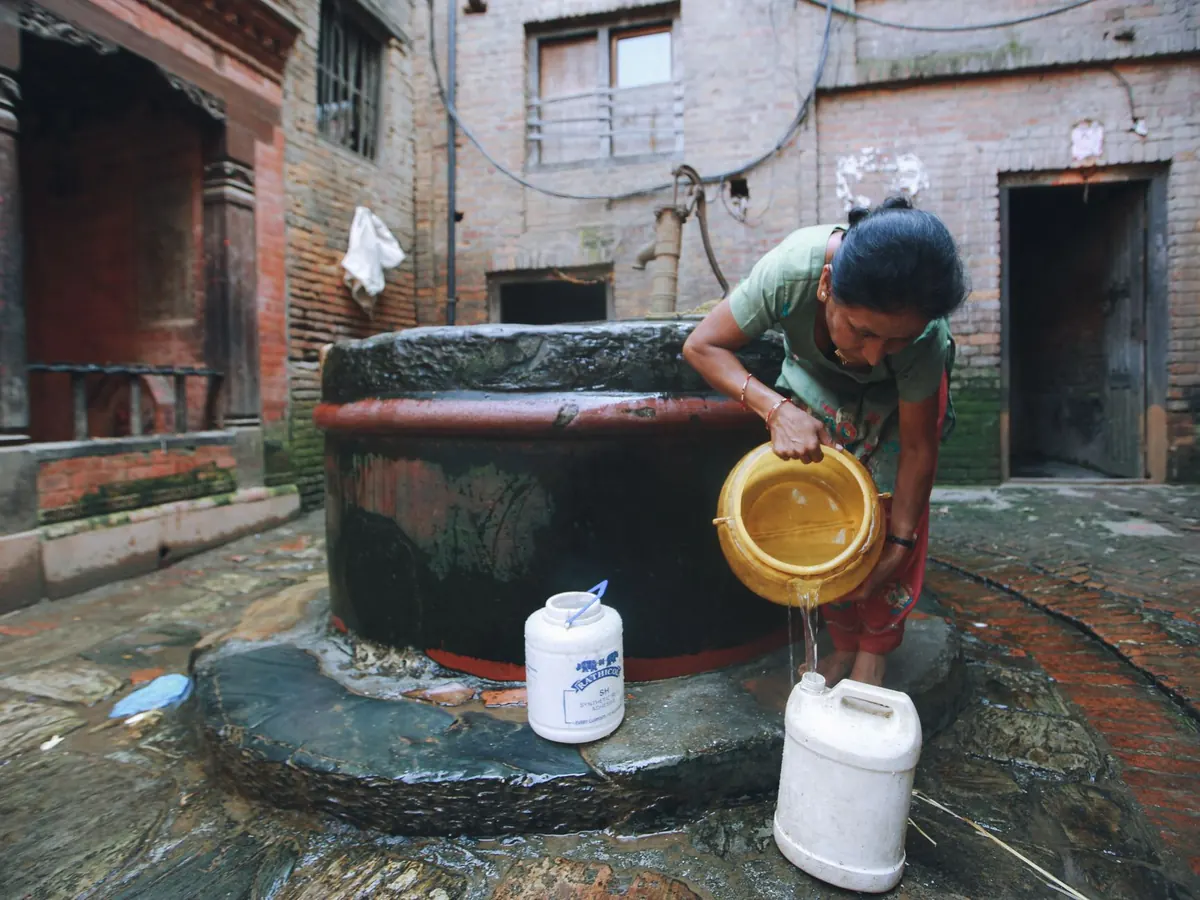
Water is the quietest part of a rural property until it fails. A stone farmhouse can look perfect in April and still leave you hauling bottles in August because the well is low, the pump is tired, or the paperwork was never finished. In the Italian countryside, water arrives by well, spring, cistern, rural aqueduct or irrigation canal, and each source comes with its own rights, limits and maintenance. Before you fall for the view, spend a morning understanding where the water comes from, who controls it, and what happens in a dry year.
The water sources you will meet in the countryside
Most rural properties rely on one of five arrangements. Each behaves differently in July, and each asks different questions of a buyer.
Wells, springs and cisterns
A pozzo, or well, is the most common private source. Its reliability depends on depth, the water table, the pump and how the borehole was constructed. A shallow well that serves a garden may struggle after a dry winter; a deeper well may be steadier but still needs testing. A sorgente, or spring, can be excellent, especially when the water is captured in a small collection chamber and piped to the house. Springs also shift with the seasons, and the capture point may sit on a neighbour’s land. Cisterns collect rainwater or delivered water; they are useful as a backup but need cleaning, filters and a realistic sense of how long the stored volume lasts.
Shared and public supplies
Some properties connect to a rural aqueduct, often managed by a local authority or a private consortium. Others depend on an irrigation canal or a consorzio that allocates water in turns. These are not interchangeable with drinking water. Ask separately whether the supply is potable, whether it is seasonal, and whether the consortium charges annual fees or imposes summer restrictions.
Water is a public resource, not a private commodity
In Italy, water is treated as a public resource. Owning the land does not automatically give you an unlimited right to the aquifer beneath it. You may own the borehole, the pump and the pipes, but the use of the water is regulated. Domestic use, irrigation, livestock and commercial activity can be treated differently, and small domestic uses are sometimes handled more simply than agricultural or business uses. That does not mean no rules apply.
An existing well may predate current rules, or it may never have been declared. A seller may describe it as “just a well for the garden” without knowing what paperwork exists. In practice, the file matters as much as the pump. This is general guidance, not legal advice; water rules vary by region and comune, so confirm the position with a local lawyer, geometra or the relevant water office before you commit.
Permits, notifications and the paper trail
Before drilling a new well, deepening an old one or changing how the water is used, ask what applies locally. A sensible sequence looks like this:
- Ask the comune and the regional water office what authorisation, concession or notification is required. The relevant office may be the Genio Civile or another regional water authority.
- Check site constraints before drilling: landscape and hydrogeological restrictions, distances from septic tanks, boundaries, roads and neighbouring wells.
- Use a licensed drilling firm and ask for a written report covering depth, yield, casing and any water-quality observations.
- Keep the file together: concession or notification documents, drilling report, pump specifications, test results and maintenance receipts.
If you are buying a property with an old well, do not assume it is registered. Ask for the denuncia, concession or other record. If documents are missing, regularising the well may be possible, but it can take time and money. Get local advice before signing, not after the notary.
Maintenance that keeps a rural well reliable
A well is a small system, not a hole with a pipe. The pump, pressure tank, filters, pipes and electricity all need attention. A pump that runs dry can burn out; a pressure tank that has lost its air charge makes the pump cycle constantly; a sediment filter left too long can starve the house of water.
- Test the yield in late summer, when demand is high and the water table is low.
- Check the pressure tank and pump cut-in pressure once a year.
- Replace sediment and carbon filters on schedule, and keep spares.
- Test water quality before drinking it, especially after flooding or work on the wellhead.
- Keep the wellhead sealed, mounded and clear of manure, fuel and chemicals.
- Insulate or drain exposed pipes before the first frost.
- Keep a simple log of tests, repairs and pump replacements; it helps when you sell.
If the water is for drinking, ask a laboratory about potability and treatment. This is general guidance, not health advice.
Shared water, easements and consortia
Many rural properties share a spring, well or pipe. Rights may be recorded as a servitù, an easement that allows water to cross or be drawn from another property. A consortium may own the infrastructure and set maintenance costs, water turns and restrictions. Read the deed and talk to the neighbours. Ask who repairs what, how costs are split, and what happens in a drought. A shared supply can work beautifully, but only when the rules are clear before a pipe bursts.
Questions to ask before you buy
Ask these before you discuss furniture or olive trees:
- Where does the water come from, and is there a backup?
- Is the well or spring registered, and is there a concession or notification?
- What is the tested yield in late summer?
- Is the water potable, and when was it last tested?
- Who owns and maintains the pump, pipes and cistern?
- Are there shared rights, easements or consortium fees?
- What happens in a drought, and are there restrictions?
- How far is the well from the septic system and any fuel storage?
Ask for documents, not assurances. A seller may genuinely believe the well is fine; the file will tell you more.
Make water the first item on your due diligence list
Before you plan the restoration, budget for a water test, a pump inspection and a licensed technician’s report. Ask the comune and the regional water office to confirm what rights and records exist. If the property is agricultural or off-grid, have a local lawyer or geometra check the paperwork. A property can survive a bad paint job; it cannot survive a dry well. Start with the water, then fall for the house.